
Digital identity is reshaping the way people prove who they are, and this article gives a clear overview of Digital IDs, Mobile Driver Licenses (mDLs), and Digital Passports so you can understand what they are, how they work, and why they are becoming essential. A Digital ID is a secure electronic version of a traditional identity document stored on a mobile device or approved digital wallet, containing verified personal information and often biometric data that let you authenticate yourself both online and in person.
Mobile Driver Licenses expand this idea by placing a government-issued driver’s license on your smartphone, protected by encryption, biometrics, and device-level security, while allowing selective disclosure so you can share only what is necessary, such as confirming age without revealing your full address. Digital Passports bring travel credentials into a fully digital form that airlines and border authorities can verify electronically, supporting faster airport screening, automated border control, and stronger protection against forgery.
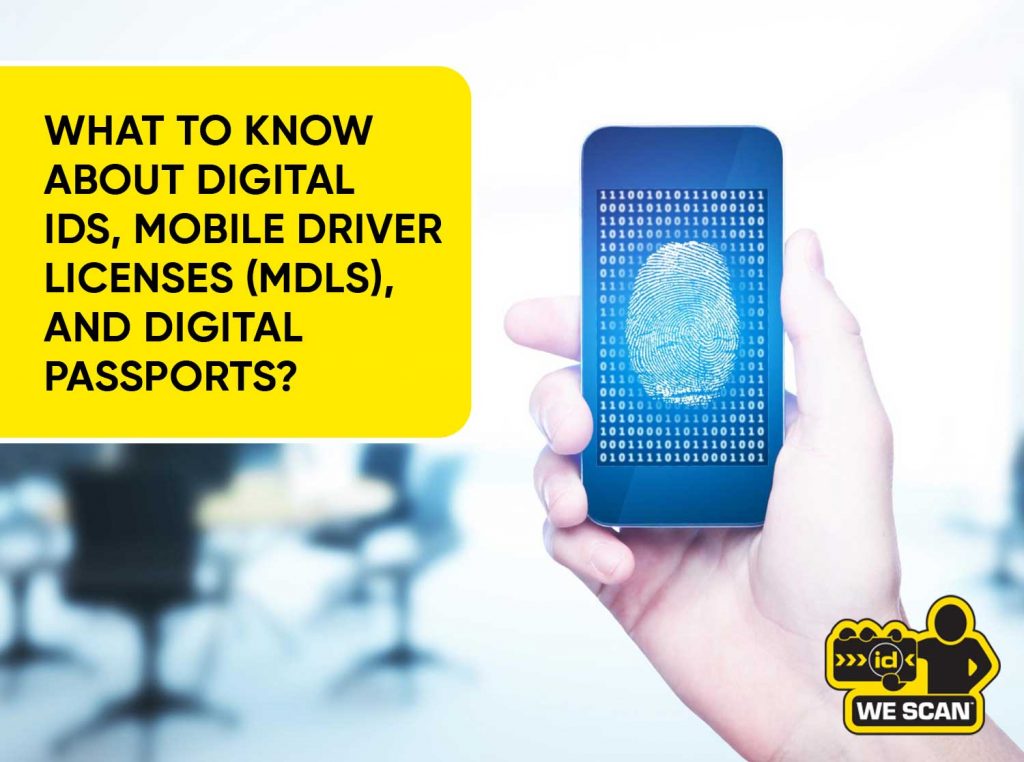
The article explains how Digital IDs are created through identity proofing, secure credential issuance, encrypted storage, and authentication methods like biometrics, NFC taps, or QR scans. You will see how digital identity is used across government services, financial services, healthcare, travel, workplaces, online platforms, telecom, education, and age-restricted purchases, making verification faster, safer, and more convenient.
You will also learn the major benefits of Digital ID—stronger security, reduced fraud, quicker verification, better privacy control, increased accessibility, and simpler user experiences—as well as practical steps for obtaining a Digital ID in the USA. Finally, the article looks ahead to the future of digital identification, where interoperable standards, mobile-first identity systems, self-sovereign identity models, biometrics, and advanced security technologies shape a more secure and connected digital world.
What is a Digital ID?
A Digital ID is an electronic version of a traditional identity document that allows you to prove who you are using a secure digital credential stored on a mobile device, in a digital wallet, or within an approved identity system. It performs the same role as a physical ID card, but it exists entirely in digital form and can be used both online and in face-to-face interactions.
A Digital ID contains verified personal information such as your legal name, date of birth, address, photograph, and government-issued identifiers, and it often includes biometric data like facial recognition or fingerprints to confirm that the identity belongs to the person presenting it. These details are protected with encryption and other security methods that prevent tampering or unauthorized access.
Digital ID represents a verified electronic identity.
Digital ID enables secure access to services.
Digital ID contains authenticated personal attributes.
Digital IDs can be issued by government agencies, financial institutions, healthcare organizations, employers, and other trusted entities, and the level of confidence in the credential depends on the verification steps taken during enrollment. Many modern Digital IDs also support selective disclosure, which lets you share only the minimum information required—such as proving your age without exposing your full identity.
Digital IDs are widely used in online banking, government portals, healthcare systems, workplace authentication, e-commerce platforms, travel processes, mobile driver licenses, and digital passports. They reduce dependence on physical documents, improve security, and speed up identity checks across digital and physical environments.
As digital services continue to expand, the Digital ID becomes a foundational element of modern identity systems, delivering faster authentication, stronger fraud protection, and a smoother experience for individuals and organizations.
What is a Mobile Driver License (mDL)?
A Mobile Driver License (mDL) is a digitally issued version of a traditional driver’s license that lives on your smartphone or mobile device, and it allows you to prove your identity or driving privileges using a secure, tamper-resistant digital credential. It is an official government-issued ID, but instead of being printed on plastic, it is stored in a protected mobile wallet that uses encryption, biometrics, and device-level security to keep your information safe.
An mDL contains the same core data found on a physical driver’s license—your legal name, date of birth, address, photo, license number, and endorsement information—while also giving you the ability to share only the information required for a specific interaction. For example, you can confirm that you are over 21 without revealing your home address or license number, which strengthens privacy and reduces unnecessary data exposure.
Mobile Driver License represents a digital form of government-issued identification.
Mobile Driver License provides verified driving credentials.
Mobile Driver License supports selective disclosure of personal data.
Mobile Driver Licenses follow internationally recognized standards such as ISO/IEC 18013-5, which ensures consistency, interoperability, and secure verification across different states, agencies, and systems. Law enforcement officers, airport security checkpoints, retailers, and government offices can verify an mDL using QR codes, NFC taps, Bluetooth exchanges, or online authentication methods.
mDLs are used in real-world scenarios like traffic stops, airport screening through TSA PreCheck, age-restricted purchases, workplace access, and identity verification for online services. They reduce the need to carry physical documents, offer stronger protection against counterfeiting, and provide a more convenient way to manage your identity on the go.
As more regions adopt digital identity standards, Mobile Driver Licenses are becoming a key part of modern identity systems, offering faster verification, improved security, and greater control over personal information.
What is Digital Passport?
A Digital Passport is an electronically stored and verifiable version of a traditional passport that allows a traveler to confirm their identity using secure digital credentials instead of relying solely on a physical booklet. It contains the same core information found in a standard passport—your legal name, date of birth, nationality, passport number, photo, and biometric data—but it is stored in a digital format that can be authenticated by border authorities, airlines, and travel systems.
Most modern passports already include an electronic chip, often called an ePassport, which holds encrypted biometric information that enhances security and reduces the risk of forgery. A fully Digital Passport goes a step further by enabling the passport data to be accessed or transmitted through secure digital channels, mobile applications, or digital travel credentials that work alongside international standards.
Digital Passport represents a verified identity for international travel.
Digital Passport contains encrypted personal and biometric information.
Digital Passport supports secure authentication at borders and airports.
Digital Passports are built on frameworks such as ICAO Doc 9303 and emerging Digital Travel Credential (DTC) standards, which ensure global interoperability and consistent verification.
These standards allow digital credentials to be scanned, validated, and matched to the traveler using biometric checks, secure cryptographic signatures, and automated border control technologies.
Travelers can use Digital Passports for faster airport check-ins, automated border crossings, airline identity verification, and secure travel document submission before arrival. By reducing manual inspection and enabling remote verification, they improve security while speeding up border processing and reducing friction during international travel.
As more countries modernize their border systems, Digital Passports are becoming a core part of the global travel ecosystem, offering stronger fraud protection, more efficient identity checks, and a smoother experience for passengers and immigration authorities alike.
How Do Digital IDs Work?

Digital IDs work by combining verified personal information, secure storage methods, and advanced authentication technologies to create a trusted digital identity that can be used both online and in the real world. They follow a structured process that begins with identity proofing, continues with credential issuance, and ends with secure verification whenever the user needs to prove who they are.
1. Identity Proofing: Verifying the Person
The process starts with confirming that the individual is who they claim to be.
This can involve scanning a physical ID, checking biometric data, comparing facial images, or validating information against government or institutional records.
Identity proofing establishes a verified person.
Identity proofing links personal data to a digital credential.
2. Credential Creation: Issuing the Digital ID
Once the identity is verified, a Digital ID is generated and stored in a secure environment, such as a mobile wallet, secure enclave, cloud-based identity system, or government app.
The credential contains authenticated personal data, cryptographic signatures, and sometimes biometric templates that help protect the integrity of the identity.
Digital ID contains verified identity attributes.
Digital ID includes cryptographic protections.
3. Secure Storage and Device Protection
Digital IDs rely on device-level security such as encryption, hardware security modules, secure elements, biometrics, and PINs.
These safeguards ensure that the identity cannot be altered, copied, or accessed without authorization.
Secure storage protects the digital credential.
Device security prevents unauthorized access.
4. Authentication: Proving the Identity
When the user needs to verify their identity, the Digital ID uses authentication methods like biometrics, PINs, NFC taps, QR codes, Bluetooth exchanges, or online validation.
Some systems support selective disclosure, allowing the user to share only the information required for a specific interaction.
Authentication verifies the rightful owner of the credential.
Selective disclosure limits unnecessary data sharing.
5. Verification: Confirming Trustworthiness
Organizations receiving the Digital ID—such as banks, government agencies, airlines, or retailers—validate the credential using cryptographic checks, real-time data verification, or secure offline methods.
This step confirms that the Digital ID is legitimate, unaltered, and issued by a trusted authority.
Verification confirms the authenticity of the Digital ID.
Verification establishes trust between the user and the service.
6. Continuous Security and Updates
Digital IDs often include automatic updates, certificate renewals, and ongoing security monitoring to maintain accuracy and prevent fraud.
This ensures the identity remains valid and secure over time.
Security updates maintain the integrity of the credential.
What Are Common Applications for Digital IDs?
Digital IDs are used in everyday situations where people need fast, secure, and trusted identity verification, and they make it possible to access services, authenticate online accounts, complete transactions, and prove who you are without relying on physical documents. They streamline interactions, reduce fraud, and provide a safer way to share personal information across digital and real-world environments.
1. Government Services and Public Sector Access
Digital IDs play a central role in modern government platforms by allowing citizens to securely access online portals, file taxes, check benefits, apply for permits, or verify their identity for public programs.
Digital ID enables access to government services.
Digital ID supports secure identity checks for public systems.
2. Financial Services and Banking
Banks, credit unions, and fintech apps use Digital IDs for onboarding, KYC verification, account recovery, and high-risk transactions. They help prevent identity fraud while simplifying the process of opening or managing accounts.
Digital ID verifies users for financial accounts.
Digital ID reduces fraud in digital banking.
3. Healthcare and Medical Records
Healthcare systems rely on Digital IDs to authenticate patients, protect sensitive medical data, enable telehealth sessions, and ensure accurate access to electronic health records.
Digital ID protects patient information.
Digital ID provides secure access to medical services.
4. Travel, Airports, and Border Control
Digital IDs support identity verification at airports, airline check-in, and international travel through systems that recognize mobile driver licenses, Digital Passports, and Digital Travel Credentials. They reduce wait times and strengthen border security.
Digital ID simplifies airport identity checks.
Digital ID enables secure cross-border travel.
5. Age Verification for Restricted Products
Retailers, entertainment venues, and online platforms use Digital IDs to confirm legal age for alcohol purchases, gaming, event entry, and other age-restricted activities.
Digital ID confirms age for regulated transactions.
What Are the Benefits of Digital ID?
Digital IDs offer clear advantages for individuals, businesses, and governments by making identity verification faster, safer, and more convenient across digital and physical environments. They improve security, reduce fraud, and give people greater control over the information they share, all while supporting a smoother experience in daily interactions.
1. Stronger Security and Fraud Prevention
Digital IDs use encryption, biometrics, and cryptographic signatures to protect personal information, making them far harder to forge or steal than physical documents.
Digital ID strengthens identity protection.
Digital ID reduces impersonation and document fraud.
2. Faster and More Convenient Verification
Digital IDs allow people to verify their identity in seconds, whether they are checking in at an airport, logging into a financial account, or accessing government services.
This eliminates manual processes and reduces the need to carry physical documents.
Digital ID speeds up identity checks.
Digital ID simplifies access to services.
3. Selective Disclosure and Better Privacy Control
One of the biggest benefits of Digital ID systems is the ability to share only the information required for a transaction—such as proving age without revealing address or full identity details.
This reduces unnecessary data exposure and gives users meaningful privacy control.
Digital ID enables minimal data sharing.
Digital ID protects personal information.
4. Greater Accessibility and Remote Access
Digital IDs make it easier for people to access essential services from anywhere, including online banking, telehealth appointments, government portals, and workplace systems.
They help remove barriers for individuals who cannot visit physical locations or submit paperwork in person.
Digital ID expands access to digital services.
5. Improved Efficiency for Businesses and Government Agencies
Organizations benefit from automated identity checks, streamlined onboarding, reduced paperwork, and lower operational costs.
Digital IDs support scalable verification processes that improve accuracy and reduce administrative workloads.
Digital ID reduces manual processing.
Digital ID increases operational efficiency.
6. Stronger Compliance and Trust
Digital IDs support compliance with identity regulations such as KYC, AML, and national digital identity frameworks.
They enhance trust between users and service providers by ensuring that identity verification is both secure and transparent.
Digital ID supports regulatory compliance.
Digital ID builds trust in digital interactions.
7. Enhanced User Experience Across Platforms
Whether interacting with banks, airlines, employers, healthcare providers, or online services, Digital IDs create a consistent and seamless experience.
They allow people to authenticate once and use the same trusted credential across multiple platforms.
Digital ID improves multi-platform usability.
How To Obtain a Digital ID?
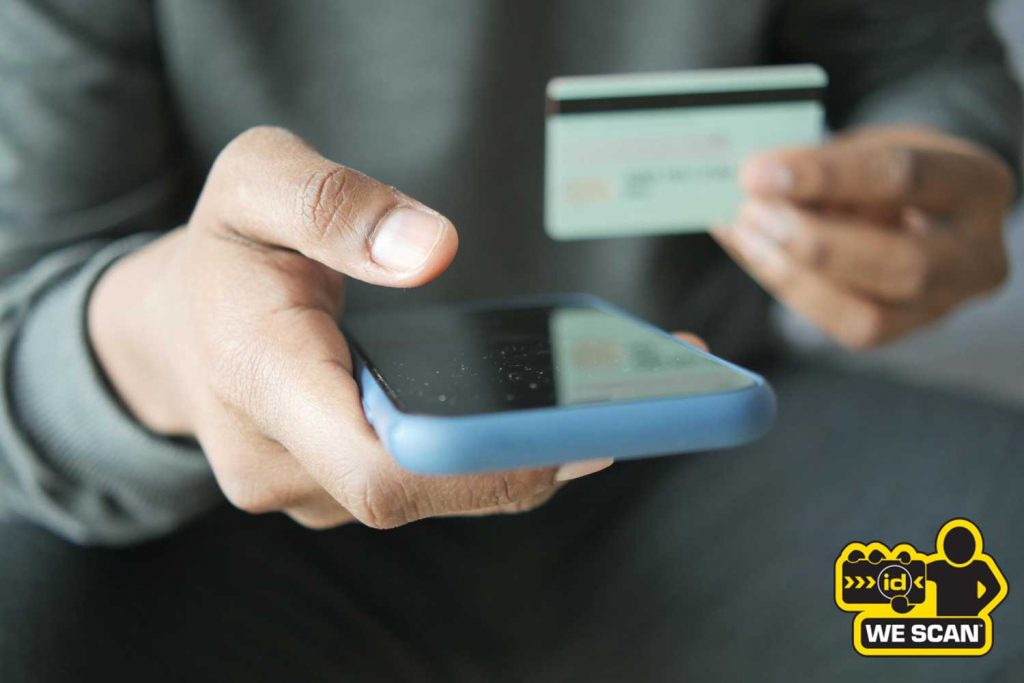
Obtaining a Digital ID involves checking whether your state supports digital identification, choosing an approved digital wallet or app, verifying your identity, and securely storing the credential on your device. Each state follows its own process, but the overall steps are similar nationwide.
1. Check Eligibility and Supported States
Start by confirming whether your state issues Digital IDs or mobile driver licenses (mDLs). Several states, including Arizona, California, Colorado, Georgia, Iowa, and West Virginia, currently support digital identity programs approved for use at TSA security checkpoints.
Digital ID availability varies by state, and eligibility depends on local DMV adoption and TSA acceptance.
2. Choose an Approved Digital ID App or Wallet
If your state participates, you can add a Digital ID using an approved platform such as Apple Wallet or Google Wallet. These wallets support state-issued mobile driver licenses and digital IDs that can be presented at select airport checkpoints.
Digital ID requires a compatible device and an approved digital wallet.
3. Complete Identity Verification
During setup, you must verify your identity by scanning your physical driver’s license or state ID, capturing a selfie for biometric matching, and confirming key personal details.
Some states may require linking to your DMV account or completing additional verification steps. When adding digital credentials such as passports, users typically scan the document and complete a selfie verification.
Identity verification links your physical ID to a secure digital credential.
4. Store the Digital ID Securely on Your Device
Once verified, your Digital ID is issued and stored in your digital wallet or state mobile app.
It is protected with encryption and device-level security such as Face ID, fingerprint authentication, or a secure passcode. TSA guidance notes that Digital IDs are presented by holding your phone to a reader and authenticating directly on the device.
Secure storage ensures that only you can access your Digital ID.
5. Use It for Identity Verification or Travel
After activation, the Digital ID can be used for identity verification at participating TSA checkpoints and other authorized locations.
You simply tap or scan your phone, authenticate on your device, and share only the necessary information.
Digital ID enables faster, touchless verification at supported checkpoints.
6. Maintain and Update Your Digital ID
Keep your device updated, enable strong authentication, and periodically review your Digital ID settings.
Renewal requirements may follow your state’s standard DMV schedule.
Regular updates maintain security and accuracy over time.
Key Points to Remember
- Availability and features depend on your state’s DMV and TSA participation.
- You must complete identity verification by scanning your physical ID and using biometrics.
- A Digital ID is stored in a secure digital wallet protected by encryption and device security.
- You may still need a physical ID in some situations.
- Proper device security is essential for protecting your digital credential.
What is the Future of Digital Identification?
The future of digital identification is moving toward a world where secure, trusted, and privacy-focused digital credentials replace many traditional forms of identification, creating faster verification, stronger security, and more seamless interactions across everyday life. Digital IDs, mobile driver licenses, and digital passports will continue to expand as governments, businesses, and technology providers build systems that make identity verification safer and more convenient.
1. Growth of Mobile IDs and Digital Wallet Integration
Digital IDs will become a core feature of mobile wallets, allowing people to store government IDs, travel credentials, and verified personal attributes on their phones.
This shift transforms smartphones into secure identity hubs.
Digital identification integrates with digital wallets.
Digital identification supports mobile-first identity experiences.
2. Expansion of Digital Passports and Global Travel Credentials
Airports and border agencies are adopting Digital Travel Credentials and biometric verification systems that streamline airport security and immigration processes.
Travelers will move through gates using face recognition or secure digital tokens instead of presenting physical booklets.
Digital identification improves cross-border travel.
Digital identification enables automated border control.
3. Biometric Authentication Becomes Standard
Advanced biometrics such as facial recognition, fingerprint scanning, and liveness detection will anchor the next generation of digital identity systems.
This ensures that the person presenting the credential is the true, verified individual.
Digital identification relies on trusted biometrics.
4. Privacy-by-Design and Selective Disclosure
Future digital identity systems will lean heavily on selective disclosure and zero-knowledge proofs, letting users share only the minimum information required.
People will be able to prove age, residency, or eligibility without revealing their full identity.
Digital identification supports privacy-focused data sharing.
Digital identification empowers user control.
5. Interoperability Across States, Countries, and Platforms
Standardized frameworks will allow digital IDs from one state or country to work in another, creating a unified identity ecosystem.
This includes global alignment through organizations that define secure identity standards.
Digital identification depends on interoperable standards.
6. Increase in Online and Physical Use Cases
Digital IDs will be used for healthcare access, financial services, workplace verification, online onboarding, retail purchases, rental services, education, and more.
As more sectors trust digital credentials, they will replace many manual identity checks.
Digital identification expands access across industries.
7. Decentralized and Self-Sovereign Identity Models
New systems will give individuals more control over how their identity data is stored and shared.
People will hold their own verified credentials and present them without relying on large centralized databases.
Digital identification supports self-sovereign identity.
8. Enhanced Security with Cryptography and AI
Future digital identity platforms will use more advanced cryptographic techniques and AI-powered fraud detection to defend against deepfakes, synthetic identities, and cyberattacks.
This makes digital identities more secure than physical documents.
Digital identification strengthens security with advanced technology.
The future of digital identification combines security, privacy, interoperability, and convenience, creating an identity system that works smoothly across digital and physical environments.
As technology evolves and global standards mature, digital identity will become a foundational part of everyday life—powering secure travel, trusted online interactions, and fast verification everywhere people need to prove who they are.